You Were Hurt on Someone Else’s Property—and Now You’re Left With Questions
An unexpected fall or injury can happen anywhere—inside a grocery store in Atlanta, at an apartment complex in Marietta, along a sidewalk near Forsyth Park in Savannah, or outside a shopping center off I-285 in DeKalb County. One moment you’re running errands or meeting friends; the next, you’re dealing with pain and uncertainty. Many people who later pursue premises liability claims describe the same experience: shock first, then questions.
The impact of a slip, trip, or falling object can leave you disoriented. In busy areas like Buckhead, Midtown, or near Perimeter Mall, it’s not always clear what to do next. Was this simply an accident, or did unsafe conditions—such as poor lighting, uneven pavement, or unmarked hazards—suggest property owner negligence?
That uncertainty is common across Georgia, from Augusta to Alpharetta and Macon to communities along Highway 17. Many injured visitors hesitate because they are unsure whether the situation qualifies for premises liability claims under Georgia law. They may assume the incident was their own fault, not realizing that the law requires owners and managers to maintain reasonably safe conditions for guests. Delays in reporting the incident, documenting the scene, or seeking medical care can complicate efforts to recover personal injury compensation. Insurance carriers often scrutinize timing when evaluating potential legal claims involving commercial properties or rental communities.
At Hartley, Rowe & Fowler, P.C., we help clients move from confusion to clarity—evaluating whether property owner negligence played a role and determining whether premises liability claims are appropriate under Georgia law. If you were hurt on someone else’s property, you deserve clear answers and a path forward.

The Reason You Were There Matters More Than You Think
After an injury on someone else’s property, one of the first questions under Georgia law is why you were there in the first place. Whether the incident occurred at a retail store, a private residence, or a commercial office building, your legal classification can directly affect how premises liability claims are evaluated. At Hartley, Rowe & Fowler, P.C., we help injured clients understand how visitor status shapes the path toward personal injury compensation.
Georgia Law Classifies Visitors Into Specific Categories
Under Georgia law, individuals on another person’s property are typically classified as invitees, licensees, or trespassers. Invitees are often customers or clients—people entering a business for mutual benefit, such as shopping at a supermarket or attending an appointment. Licensees may include social guests or individuals present for their own purposes. Trespassers, by contrast, enter without permission.
These distinctions are not technicalities. They determine whether property owner negligence may be established in premises liability claims. For example, business owners generally owe invitees a higher duty of care than they owe trespassers. Understanding this classification is essential when assessing responsibility under Georgia law.
Why Visitor Status Shapes the Duty of Care
The duty owed to you depends on your classification at the time of the incident. For invitees, property owners must exercise ordinary care to keep the premises safe and inspect for hidden hazards. For licensees, the duty is narrower but still requires avoiding willful or wanton harm. These standards directly influence whether legal responsibility exists and whether premises liability claims may proceed. When hazardous conditions—such as wet floors, broken stair rails, inadequate lighting, or uneven pavement—are present, the question becomes whether the owner knew or should have known about the danger. If so, property owner negligence may support a claim for personal injury compensation.
When Responsibility for Safety Becomes Clear
Not every accident leads to liability. However, when unsafe conditions were foreseeable and preventable, Georgia law allows injured individuals to pursue recovery through premises liability claims. Establishing responsibility requires examining maintenance records, inspection practices, and prior complaints.
Property Owners Must Keep the Premises Reasonably Safe for You
After an unexpected fall or injury, many people wonder whether the condition that caused the incident should have been corrected before anyone was harmed. Georgia law requires owners and occupiers of land to exercise reasonable care in maintaining their premises. When that duty is not met, injured visitors may have grounds to pursue premises liability claims and seek personal injury compensation.
Reasonable care does not mean a property must be perfect. Instead, it means the owner must take practical steps to identify and address foreseeable dangers. This can include routine inspections, prompt cleanup of spills, repairing broken stairs, fixing uneven flooring, maintaining adequate lighting, and ensuring security measures are in place where appropriate. In retail stores, apartment complexes, restaurants, parking lots, and office buildings, these preventative steps are part of ordinary risk management under Georgia law.
Certain hazards appear frequently in injury cases. Wet floors without warning signs, loose handrails, cracked sidewalks, potholes in parking areas, untrained dogs, falling merchandise, and inadequate security in high-traffic locations can all give rise to serious harm. When these conditions exist for an extended period or are ignored after complaints, questions of property owner negligence often arise. The key issue becomes whether the owner knew—or should have known—about the danger and failed to act.
Failure to inspect or repair a known hazard can transform a simple accident into a matter involving legal responsibility. In evaluating potential premises liability claims, courts consider whether reasonable inspections would have revealed the problem and whether timely repairs could have prevented the injury. When evidence shows that basic safety measures were overlooked, the path toward personal injury compensation becomes clearer.
An Injury Alone Does Not Automatically Mean You Have a Claim
Being hurt on someone else’s property is upsetting and often overwhelming. However, not every accident results in viable premises liability claims under Georgia law. Understanding how responsibility is evaluated can help you determine whether the circumstances support pursuing personal injury compensation.
One important concept is the idea of an “open and obvious” hazard. If a condition is clearly visible and could have been avoided through ordinary caution, courts may find that the property owner did not breach their duty of care. For example, a clearly marked step-down, visible curb, or prominently displayed warning sign may reduce the likelihood that property owner negligence can be established. Georgia law does not require owners to eliminate every possible risk—only to address unreasonable dangers that are not readily apparent.
Comparative fault is another key factor. Georgia follows a modified comparative negligence rule, meaning responsibility can be shared between parties. If an injured person is found partially at fault—such as by ignoring warning signs or using a restricted area—any recovery for personal injury compensation may be reduced proportionally. In some situations, shared responsibility can significantly affect the outcome of legal claims tied to unsafe property conditions.
Details matter. Lighting levels, maintenance schedules, prior complaints, surveillance footage, and inspection logs all play a role in determining whether premises liability claims are appropriate. The difference between a valid case and a denied claim often turns on whether the hazard was foreseeable, how long it existed, and whether reasonable steps were taken to correct it.
At Hartley, Rowe & Fowler, P.C., we carefully analyze these factors to determine whether property owner negligence contributed to your injury and whether Georgia law supports moving forward. If you have questions about your situation, obtaining a clear evaluation can help you understand your rights and next steps.
When the Insurance Company Pushes Back on Your Claim
After an injury on unsafe property, many people assume the facts will speak for themselves. In reality, insurance carriers frequently challenge premises liability claims from the outset. Their goal is often to limit exposure by questioning fault, minimizing injuries, or disputing whether property owner negligence occurred. Understanding these strategies can help protect your position under Georgia law and preserve your path toward personal injury compensation.
Arguments That You Were Distracted
One of the most common defenses is distraction. Insurers may argue that you were looking at your phone, not paying attention, or failed to exercise ordinary care. In slip-and-fall or trip-and-fall cases, this tactic is used to shift responsibility away from the property owner. Georgia’s comparative fault framework allows for shared responsibility, meaning allegations of distraction can reduce potential recovery in legal proceedings if not properly addressed.
Insurance representatives often point to factors such as:
- Footwear choices
- Weather conditions
- Posted signage
- Surveillance footage
- The visibility of the condition
Careful review of these details is critical when evaluating premises liability claims.
Claims That the Owner Had No Notice of the Hazard
Another frequent defense is lack of notice. Carriers may argue that the hazard—whether a spill, broken handrail, or uneven pavement—appeared only moments before the incident. Under Georgia law, proving property owner negligence often requires showing that the owner knew or reasonably should have known about the danger.
To counter this argument, evidence may include:
- Maintenance and inspection logs
- Cleaning schedules
- Prior complaints
- Employee incident reports
- Video surveillance timestamps
When documentation shows that a condition existed long enough to be discovered, the strength of the claim increases. Shortly after an incident, injured individuals are often asked to give recorded statements. While these may seem routine, early comments can later be used to question credibility or minimize harm. Even casual remarks like “I’m okay” can be cited to challenge requests for personal injury compensation.
Building a Strong Case Starts With the Right Evidence
After an injury on unsafe property, the strength of premises liability claims often depends on the quality and timing of the evidence gathered. While the incident itself may last only seconds, proving property owner negligence requires a clear factual record under Georgia law. At Hartley, Rowe & Fowler, P.C., we focus on building organized, well-supported cases that create a solid path toward personal injury compensation.
Photographs taken immediately after the incident can preserve details that may later change—such as wet floors, uneven pavement, broken handrails, poor lighting, or missing warning signs. Incident reports prepared by store managers or property supervisors help establish a timeline, while witness statements can confirm how long the condition existed. In many premises liability claims, this early documentation becomes central to showing that the hazard was preventable.
Beyond the scene itself, maintenance records and prior complaints often reveal whether reasonable inspection practices were followed. Cleaning logs, repair invoices, security footage, and internal communications can demonstrate whether the property was properly monitored. When records show repeated issues or delayed repairs, they may support findings of property owner negligence under Georgia law.
Medical documentation then connects the physical injury directly to the unsafe condition. Treatment notes, diagnostic imaging, and physician assessments help establish causation, which is essential in pursuing personal injury compensation. Without that link, insurers may challenge the severity or origin of the harm in legal proceedings. By aligning scene evidence, operational records, and medical findings, Hartley, Rowe & Fowler, P.C. helps clients present clear and persuasive premises liability claims grounded in Georgia law and supported by credible proof.
After the Injury, the Steps You Take Next Can Protect Your Claim
The moments following an accident on someone else’s property can feel overwhelming. Whether you slipped in a grocery store, fell on poorly maintained stairs, or were injured in a parking lot, what you do next can significantly affect potential premises liability claims under Georgia law. Acting promptly not only supports your recovery but also helps preserve your right to pursue personal injury compensation if the property owner’s negligence contributed to the incident.
Seeking medical treatment should always come first. Even if injuries seem minor, symptoms can worsen over time. A prompt evaluation creates documentation that links the harm to the unsafe condition and establishes a clear medical timeline. In many legal matters involving unsafe property conditions, early treatment records play a central role in demonstrating causation.
Reporting the incident to the property owner, store manager, or on-site supervisor is also critical. An official report creates a contemporaneous record of what occurred, including the location of the hazard and the time of the injury. This documentation can later support premises liability claims, particularly when questions arise about whether the condition was known or should have been addressed under Georgia law.
Preserving evidence before conditions change is equally important. Hazards such as spills, debris, loose flooring, or inadequate lighting may be corrected quickly after an incident. Taking photographs, collecting witness contact information, and noting environmental details can help show whether property owner negligence played a role. These early steps often make the difference when pursuing personal injury compensation through the appropriate legal channels.
With the Right Attorney, Your Case Becomes Structured and Strategic
After an injury on unsafe property, moving forward requires more than filing paperwork. Building strong premises liability claims involves investigation, documentation, and careful application of Georgia law. At Hartley, Rowe & Fowler, P.C., we take a methodical approach to identifying whether property owner negligence occurred and how it affected your ability to recover personal injury compensation.
Investigating Whether the Owner Knew—or Should Have Known
A central issue in most premises liability claims is notice. Under Georgia law, it is not enough that a hazard existed; the question is whether the owner knew or reasonably should have known about it. We examine inspection schedules, maintenance logs, cleaning procedures, and prior incident reports to determine whether routine safety practices were followed. When patterns emerge—such as repeated complaints or inconsistent inspections—they can help demonstrate property owner negligence. Establishing notice is often the turning point in a legal case involving unsafe property conditions.
Reviewing Surveillance Footage and Internal Safety Policies
Video evidence frequently plays a key role in premises cases. Surveillance footage may reveal how long a hazard was present, how employees responded, or whether warning signs were placed. Internal safety manuals and operational policies are also reviewed to determine whether the property was managed according to reasonable standards under Georgia law. Comparing what the policy required with what actually occurred can strengthen premises liability claims and clarify whether safety protocols were ignored.
Evaluating the Full Scope of Damages
Medical bills are only part of the picture. When injuries interfere with employment, mobility, or daily life, the impact extends beyond immediate treatment. A thorough damage assessment considers lost income, future medical care, and other consequences tied to the incident. This broader evaluation supports a claim for fair personal injury compensation when property owner negligence is established.
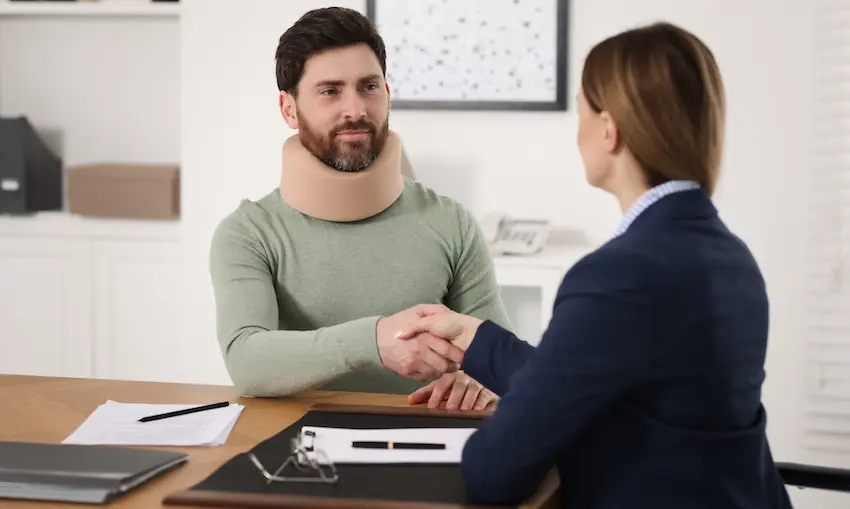
When You’re Ready for Answers, Hartley, Rowe & Fowler, P.C. Helps You Move Forward
An injury on unsafe property can leave you uncertain about what to do next—especially when medical bills begin arriving, and insurance representatives start asking questions. Whether the incident occurred at a retail center in Atlanta, an apartment community in Augusta, a hotel off I-16 near Savannah, or a shopping plaza in Cobb County, navigating premises liability claims under Georgia law requires clarity and strategy. At Hartley, Rowe & Fowler, P.C., we guide injured individuals across the state through each phase of the process with a focused and organized approach.
Our work begins with a careful evaluation of the facts. We review incident reports, maintenance records, photographs, surveillance footage, and medical documentation to determine whether property owner negligence contributed to the injury. By applying Georgia law to the specific property type—whether commercial, residential, or mixed-use—we identify the strengths of potential premises liability claims and outline a practical path toward personal injury compensation.
Insurance carriers often attempt to narrow responsibility or minimize damages. We respond by presenting structured evidence, addressing disputed facts, and advocating for a fair assessment grounded in established legal principles. Through strategic communication and negotiation, we work to protect your position while reinforcing the factual and legal basis of your claim.
When injuries extend beyond immediate medical expenses and affect work, mobility, or daily life, Georgia law allows injured individuals to seek accountability through well-supported premises liability claims. Our team evaluates the full scope of losses and pursues personal injury compensation that reflects the true impact of the incident. If you were injured on someone else’s property anywhere in Georgia and have questions about your rights under Georgia law, contact Hartley, Rowe & Fowler, P.C. today for a consultation. A thorough case review can provide clarity, protect your interests, and help you move forward with confidence.