What You Trusted Caused Harm—Now You’re Left With Questions
It can be unsettling when something you relied on suddenly leads to an injury. Whether it’s a household item, vehicle component on I-285, or equipment used at home in communities from Alpharetta to Augusta, a defective product can cause harm without warning. In these situations, many people are left trying to understand what happened and whether they have a valid product injury claim under Georgia law.
The experience is often unexpected. A product that seemed safe may malfunction, break, or fail during normal use. These incidents can involve anything from defective item designs to manufacturing errors or missing safety warnings. When this happens, the situation may fall under product liability, which holds responsible parties accountable for unsafe products.
Uncertainty is common in the early stages. Many people don’t immediately realize that an injury caused by a defective product may involve legal rights. Questions about fault, responsibility, and next steps can make it difficult to know how to move forward with a product injury claim.
At Hartley, Rowe & Fowler, P.C., we help clients understand whether their situation may involve product liability and what options may be available under the law. If a defective product has harmed you, our legal team is here to provide clarity and help you take the next step with confidence.

The Way a Product Fails Can Shape What Happens Next
When an injury is caused by a defective item, the details of how that failure occurred matter. Not all object-related incidents are the same, and understanding the type of issue involved can help clarify your product injury claim. From a legal standpoint, different forms of product liability may apply depending on how the product failed under the law.
Design Issues Can Affect Entire Product Lines
Some cases involve a defective product that was unsafe from the start. A design defect means the product may pose a risk even when used as intended. In these situations, product liability may extend to how the item was created and whether safer alternatives existed. This can influence how a product injury claim is evaluated under the law.
Manufacturing Errors Can Lead to Unexpected Failures
In other cases, the design may be sound, but something goes wrong during production. A defective item caused by a manufacturing error may affect only certain units, making the issue less obvious. Even so, product liability can still apply when a product fails to meet safety expectations.
Missing Warnings Can Create Hidden Risks
Some injuries occur because an item lacks proper warnings or instructions. When risks are not clearly communicated, a defective product may expose users to unexpected harm. These situations are also addressed under product liability, as the law recognizes the importance of clear guidance.
More Than One Party May Be Responsible for What Happened
After an injury involving a defective object, it’s easy to assume only one company is at fault. However, product liability often involves multiple parties, each playing a role in how the product was designed, made, or sold. From a legal perspective, identifying who is responsible is key to building a strong product injury claim.
Responsibility can extend beyond the manufacturer. Distributors, wholesalers, and retailers may also be involved in bringing a defective product to market. When a product reaches consumers in an unsafe condition, product liability may apply across different points in the supply chain.
Identifying all responsible parties matters. A complete product injury claim ensures the legal process reflects the full scope of responsibility tied to a defective item.
The Steps You Take Right After the Injury Can Shape Your Case
In the moments after being harmed by a defective product, your focus is naturally on your health—but your actions can also influence how your situation is evaluated. Taking the right steps early can help support a product injury claim and ensure important details are preserved under applicable laws.
Seeking medical attention should come first. Prompt care not only protects your well-being but also creates documentation that connects your injury to the incident. Medical records can play an important role in establishing what happened and how it affected you within the legal process.
Preserving the product is equally important. Keeping the defective product, along with any packaging, instructions, or receipts, can provide valuable insight into how the issue occurred. This evidence may be used to examine potential product liability and support your claim.
It’s also important to avoid altering or discarding anything related to the incident. Even small changes can affect how evidence is reviewed later. Maintaining the condition of the product and related materials helps ensure your situation can be accurately evaluated.
Building a Strong Case Means Showing How the Product Caused the Harm
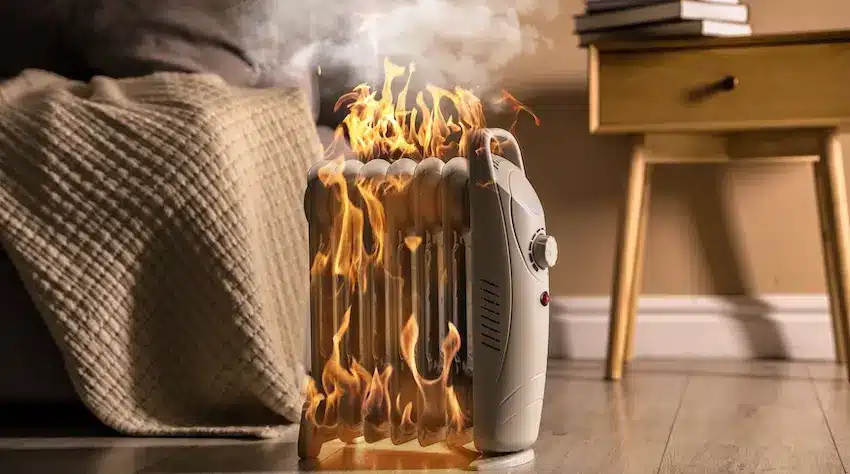
When a defective product leads to an injury, proving that connection is a critical part of moving forward. It’s not enough to know something went wrong—the details must clearly show how the product contributed to the outcome. From a legal standpoint, strong evidence helps establish product liability and supports your claim under applicable laws.
Medical Records Help Connect the Injury to the Incident
Clear medical documentation is often the starting point. Records that describe your condition, symptoms, and treatment can help link your product injury to the specific event. This information creates a timeline that supports how the defective object affected your health.
Expert Analysis Can Identify What Went Wrong
In many cases, specialists are needed to examine the product itself. Engineers or other professionals may evaluate whether a defect, malfunction, or design issue contributed to the injury. This type of analysis can strengthen product liability claims by explaining how the defective product failed.
Usage Details Provide Important Context
How the product was used also matters. Documentation showing that the item was used as intended can help demonstrate that the issue was not caused by misuse. This context is often essential when determining responsibility in a personal injury case under the law.
When Companies Push Back, Your Claim May Face Early Challenges
After an injury involving defective products, it’s not uncommon for companies and insurers to question what happened. Even when the situation seems clear, product liability claims are often met with resistance. From a legal standpoint, understanding these challenges can help you better prepare for how your product injury case may be evaluated under applicable laws.
One common argument is that the item was used incorrectly. Companies may claim that the issue was not caused by defective items, but by how the item was handled. These arguments are often used to shift responsibility and limit product liability, even when the product injury occurred during normal use.
In other cases, insurers may suggest that the injury is unrelated. They may point to other possible causes or question the timing of symptoms. This can make it more difficult to connect defective products to the product injury, especially without strong supporting documentation under the law.
Early statements can also play a role. What is said immediately after the incident—whether to a company representative or insurer—may later be used to challenge your claim. These details can influence how product liability is assessed and how your product injury is viewed within the legal process.
At Hartley, Rowe & Fowler, P.C., we help clients navigate these challenges with a clear legal strategy. By addressing pushback early and building strong support for your case, we work to protect your rights and help your claim move forward with confidence.
What Starts as an Injury Can Affect Your Life in Lasting Ways
The impact of defective products often extends beyond the initial incident. What begins as a single event can lead to ongoing challenges that affect your health, finances, and daily life. From a legal perspective, these long-term effects are important when evaluating a personal injury claim under applicable laws.
Ongoing medical care is often a major factor. Treatment may continue through follow-ups, therapy, or extended recovery. When defective products cause harm, these needs can shape how product liabilities are assessed within the legal process.
Financial effects can also develop. Missed work, reduced hours, or limited earning ability may impact your income. In a personal injury claim, these changes are considered when evaluating how defective products have affected your ability to work.

When You Need Answers After an Injury, the Right Legal Team Can Help You Move Forward
An incident involving a defective product—whether on I-75 near Macon, in Augusta neighborhoods, or along busy routes in Atlanta—can leave you dealing with unexpected challenges. When a defective item causes harm, understanding your rights and next steps is essential to moving forward under Georgia law.
At Hartley, Rowe & Fowler, P.C., every injury claim begins with a careful evaluation. The circumstances surrounding the defective product, how it was used, and the extent of your injuries are reviewed to build a clear and well-supported legal strategy. This approach helps ensure your injury claim reflects what truly happened.
Manufacturers and insurers may attempt to limit responsibility or dispute how a defective item caused harm. With strategic legal advocacy, your case is supported by evidence and presented in a way that strengthens your position.
The focus is on helping you pursue fair compensation while reducing uncertainty throughout the process.
If you’ve been injured by a defective product or defective item, contact Hartley, Rowe & Fowler, P.C. today for a consultation at 678-825-6004 and take the next step toward protecting your rights and your future.